This is an informational buying guide from Skip or Slurge. It may link to our reviews, deal pages or coupon pages, and we may earn a commission if you buy through those links. The guide is source-based unless a linked page clearly says we tested the product hands-on.
The quick answer
A slim wallet is worth buying when it fits your real daily carry, keeps cards easy to remove and has clear return or warranty terms. It is a bad buy when the discount makes you ignore card capacity, cash habits, thick IDs, shipping thresholds or unclear support.
Start with your real card count
Most slim-wallet disappointment comes from overloading the wallet. Before comparing any brand, put your current daily carry on a table: primary card, backup card, driver’s license, insurance card, transit card, office access card and any cash you refuse to stop carrying.
If that stack is already large, a minimalist wallet may still work, but you should look for a design built for quick access and honest capacity rather than a tiny wallet with an optimistic maximum-card claim.
Capacity checklist
- Count the cards you use weekly, not every card you own.
- Separate cards you can move to a phone wallet or app.
- Decide whether folded cash is occasional or daily.
- Check whether thick IDs or metal cards change the fit.
- Leave room for the wallet to loosen or wear in over time.
Pocket feel matters more than specs
A wallet can meet the listed card count and still feel wrong in daily use. Front-pocket carry rewards thin edges and smooth card access. Back-pocket carry can tolerate a little more size but may punish hard corners, metal plates or bulky mechanisms.
If you wear fitted pants, sit for long periods or carry keys and a phone in the same pocket, pocket feel should outrank the headline discount. A cheaper wallet you stop carrying after one week is not a saving.
Materials and mechanism checks
Leather and stitching
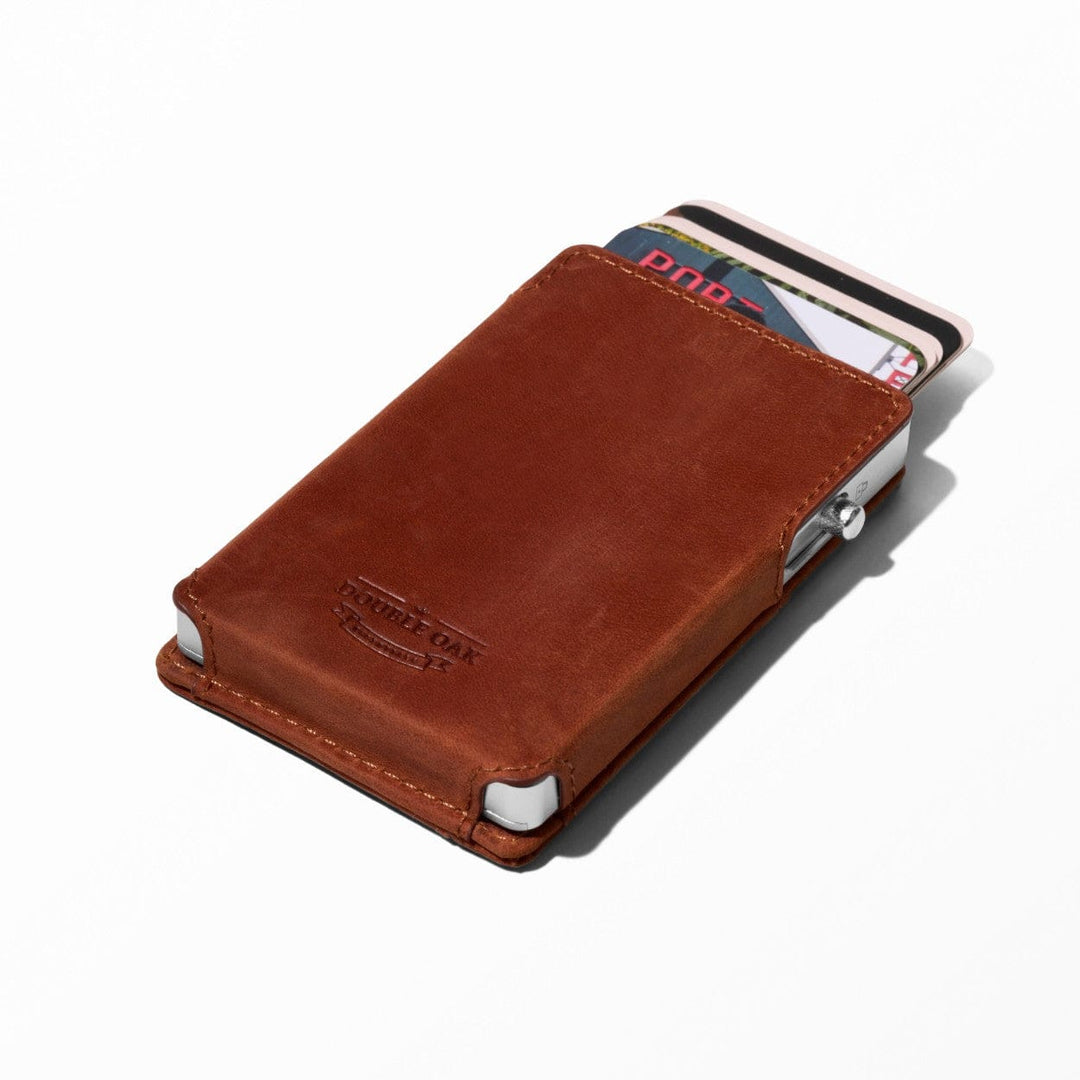
Leather wallets can look better as they age, but they also show scratches, stretching and edge wear. Check whether product photos show seams, corners and pull tabs clearly enough to judge expected wear.
Metal, magnets and card retention
Wallets with metal plates, magnetic parts or pop-up mechanisms need closer checking. Look for notes on card retention, RFID claims, MagSafe behavior, replacement parts and whether the mechanism can be serviced.
Warranty and returns are part of the price
Warranty language matters because slim wallets depend on fit. A return policy helps if the wallet does not suit your carry style soon after delivery. A warranty usually helps only if a covered defect appears. Those are different protections, so read both before checkout.
Policy checklist
- Return window and required product condition.
- Who pays return shipping.
- Whether sale or discounted items have different rules.
- Warranty coverage for stitching, leather, magnets, mechanisms or card retention.
- Proof-of-purchase requirements and support contact path.
How to compare a coupon against the real cost
A wallet coupon should be the final check, not the reason to buy. Compare the delivered price after shipping, tax and any free-shipping threshold. A smaller discount with free shipping can beat a larger code that drops the cart below a shipping threshold.
For Double Oak Essentials specifically, use the current offer cards only after you know the wallet size and policy fit your carry. The related pages below cover the brand, card-capacity angle, warranty angle and current reported offers separately.
Slim wallet buying checklist
Good buy if
- Fits your weekly card count without forcing thick cards.
- Allows the cards you use most to come out quickly.
- Works with your normal pocket, phone and key setup.
- Has policy terms you understand before you use it.
- Still looks like a good buy after shipping, tax and return risk.
When to skip a slim wallet
Skip or compare alternatives if
- You carry receipts, coins, many loyalty cards or daily cash.
- You need a soft traditional bifold feel.
- You dislike changing how you organize cards.
- Warranty or return terms are unclear for your use case.
- The only reason you want it is a high discount percentage.
FAQ
How many cards should I carry in a slim wallet?
Use your real weekly card count as the limit. If you need many cards, receipts or regular cash, compare a larger wallet before buying a minimalist one.
Is a slim wallet better than a bifold?
It is better for pocket comfort and lighter carry. A bifold can be better if you carry cash, receipts or more cards every day.
Should I choose a wallet by coupon discount?
No. Choose by card fit, pocket feel, materials and policy terms first. Use a coupon only after the wallet still makes sense at full information.
Is this a hands-on wallet test?
No. This is a source-based buying guide. Linked reviews or guides will say clearly if a product has been tested hands-on.